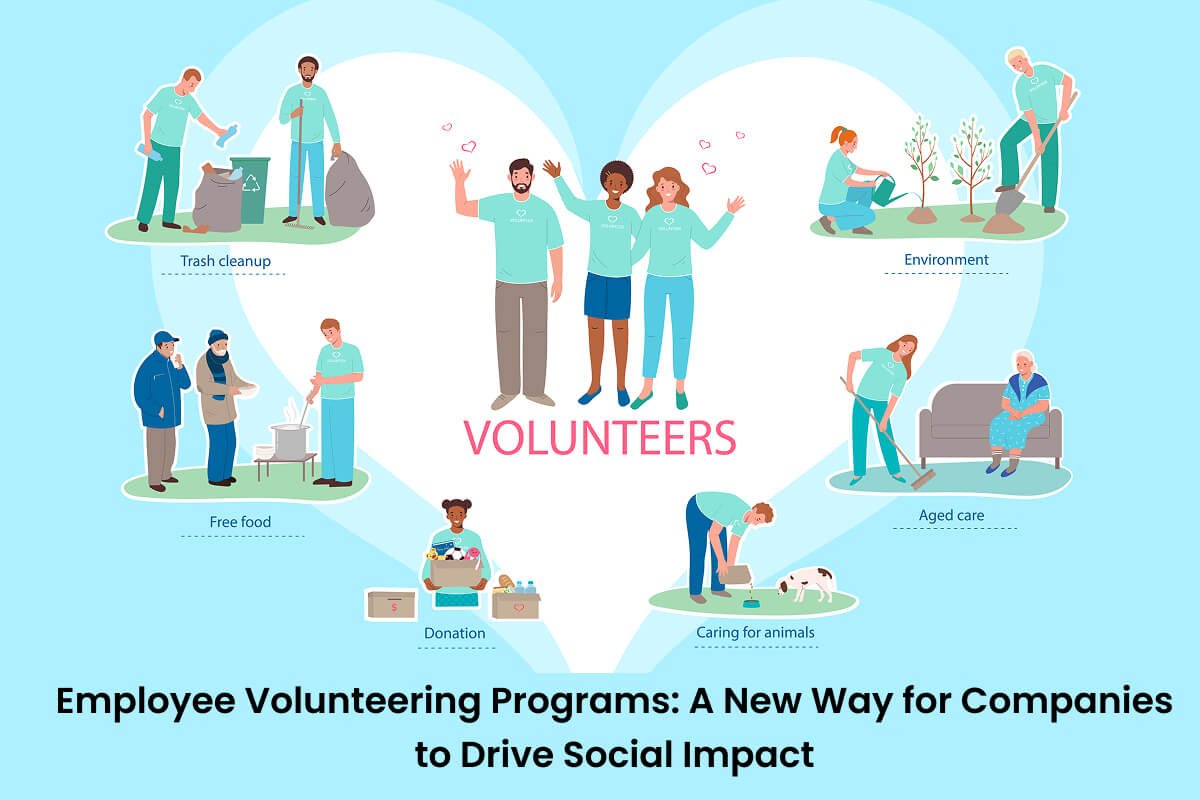
What Are Employee Volunteering Programs?
Employee engagement has become a vital component of modern CSR strategies. Beyond commercial gifts, organizations are more bright their workforce to energetically take part in social actions.
Employee suggesting programs are structured allied actions that encourage agents to donate their time, abilities, and knowledge to social or society causes. These programs concede possibility include exercises to a degree mentoring, material drives, ability-based coming forward, fundraising occurrences, or supporting NGO-influenced projects.
Corporate signing up initiatives are usually joined with a party’s CSR aims and values. They maybe systematized as one-era occurrences, ongoing participations, in essence volunteering space, or ability-based responsibilities place employees use their professional knowledge to support not commercially motivated organizations. Such programs help construct significant social impact while promoting a education of purpose within the business.
Importance of Employee Participation in CSR
Active employee involvement plays a crucial role in strengthening the overall success of CSR efforts. When employees participate directly, CSR moves beyond policy and becomes part of organizational culture.
Employee participation improves two together social impact and within date. When team appendages help CSR initiatives, they feel a more powerful sense of purpose and relation to the organization’s mission.
Key date benefits involve:
• Increased job delight and self-esteem
• Stronger team fastening and collaboration
• Improved guidance and social skills
• Greater adjustment accompanying company principles
• Enhanced manager brand reputation
By bright labourer involvement, parties not only extend their community impact but still build a stimulated, socially accountable trained workers.
Benefits for Companies
When employee volunteering becomes an integral part of CSR strategy, organizations experience benefits that extend beyond social impact. Corporate volunteering strengthens internal culture while enhancing external perception.
Well-structured employee volunteering programs create measurable value for businesses alongside community outcomes. Companies that actively support employee participation often see improvements across multiple areas.
Key benefits include:
- Improved brand reputation – Demonstrates social responsibility and strengthens public trust.
- Higher employee retention – Purpose-driven initiatives increase loyalty and reduce attrition.
- Positive workplace culture – Encourages teamwork, empathy, and shared values.
- Greater community impact – Expands the reach and effectiveness of CSR initiatives.
- Enhanced employer branding – Attracts socially conscious talent seeking meaningful work environments.
By investing in employee volunteering programs, companies build stronger communities while fostering a more engaged and motivated workforce.
Benefits for Employees
Employee volunteering programs not only benefit organizations and communities but also create meaningful personal and professional growth opportunities for employees. Participating in CSR initiatives allows individuals to contribute beyond their daily roles.
When employees engage in volunteering activities, they gain experiences that enrich both their careers and personal lives. These programs foster development, connection, and fulfillment.
Key benefits include:
- Skill development – Enhances leadership, communication, problem-solving, and project management abilities.
- Increased job satisfaction – Contributing to social causes creates a deeper sense of fulfillment at work.
- Stronger team collaboration – Volunteering activities improve teamwork and interpersonal relationships.
- Sense of purpose – Employees feel proud to be part of an organization that prioritizes social impact.
- Personal growth – Exposure to diverse communities broadens perspectives and empathy.
Through active participation in CSR initiatives, employees experience greater engagement while making a meaningful difference in society.
Types of Employee Volunteering Initiatives
Employee volunteering programs can take many forms depending on organizational goals, employee skills, and community needs. By offering diverse opportunities, companies can encourage broader participation and create deeper impact.
Organizations can design volunteering initiatives that align with their CSR strategy while also matching employee interests and expertise.
Skill-Based Volunteering
Skill-based volunteering allows employees to contribute their professional expertise to nonprofit organizations or community groups. This may include services such as financial planning, legal advice, marketing support, IT assistance, mentoring, or training workshops.
Such initiatives create high-value impact because employees apply specialized knowledge to solve real challenges. At the same time, participants refine their skills and gain exposure to new problem-solving environments.
Community Outreach Programs
Community outreach programs involve hands-on activities that directly support local communities. These may include environmental clean-up drives, tree plantation campaigns, health camps, educational workshops, or infrastructure support projects.
These initiatives promote teamwork and strengthen relationships between companies and the communities they serve. They also create visible, immediate social impact.
Fundraising Support
Fundraising support initiatives encourage employees to contribute through donation drives, charity events, crowdfunding campaigns, or matching contribution programs organized by the company.
This approach enables employees to support causes they care about while amplifying the organization’s CSR efforts. Fundraising events often build team spirit and collective responsibility.
Virtual Volunteering
Virtual volunteering provides flexible opportunities for employees to contribute remotely. Activities may include online mentoring, digital content creation for NGOs, remote training sessions, or research support.
This model increases accessibility, especially for geographically dispersed teams. It allows companies to sustain volunteering efforts regardless of location constraints while continuing to generate meaningful impact.
Challenges in Implementing Volunteering Programs
While employee volunteering programs offer significant benefits, implementing them effectively can be challenging. Without proper planning and structure, participation and impact may fall short of expectations.
Organizations often encounter practical and operational hurdles when launching or scaling volunteering initiatives. Addressing these challenges is essential for long-term success.
Common challenges include:
- Limited participation – Employees may hesitate to volunteer due to workload, lack of awareness, or unclear incentives.
- Scheduling conflicts – Coordinating volunteering activities around diverse work schedules can be difficult.
- Lack of coordination – Poor communication between teams, NGOs, and CSR managers can reduce efficiency.
- Difficulty tracking impact – Measuring employee contributions and community outcomes may be complex without structured systems.
- Sustaining engagement – Maintaining long-term enthusiasm and consistent involvement requires continuous motivation and recognition.
Overcoming these challenges requires strong leadership support, clear communication, structured planning, and the use of digital tools to streamline coordination and impact tracking.
Role of Digital CSR Platforms
As employee volunteering programs expand, managing participation, coordination, and reporting becomes more complex. Digital tools play a critical role in simplifying and strengthening these initiatives.
Digital CSR platforms provide structured support for planning, managing, and monitoring employee volunteering programs. They centralize information about upcoming events, NGO partnerships, volunteer registrations, and participation records in one accessible system.
These platforms streamline communication between employees, CSR teams, and partner organizations. They also enable real-time tracking of volunteer hours, project updates, and outcomes, making coordination more efficient and transparent. By automating administrative tasks, digital systems allow CSR managers to focus more on impact and engagement rather than manual processes.
Measuring Volunteering Impact
To ensure volunteering initiatives create meaningful value, organizations must assess both participation levels and community outcomes. Measurement helps determine effectiveness and identify areas for improvement.
Measuring volunteering impact involves evaluating both quantitative and qualitative indicators. Quantitative metrics may include the number of volunteer hours contributed, employee participation rates, funds raised, or beneficiaries supported.
Qualitative evaluation methods assess factors such as employee satisfaction, skill development, community feedback, and overall program effectiveness. Surveys, feedback forms, impact reports, and performance dashboards are commonly used tools.
By combining data-driven metrics with stakeholder feedback, organizations can clearly demonstrate the value of employee volunteering while continuously refining their CSR strategies for greater long-term impact.
Enhancing Corporate Social Responsibility
Strong employee volunteering programs significantly contribute to strengthening overall CSR strategy. When employees actively participate in social initiatives, CSR evolves from a compliance requirement into a purpose-driven organizational commitment.
Employee engagement enhances CSR by making initiatives more participatory, visible, and impactful. Instead of limiting social responsibility to financial contributions, companies integrate people, skills, and time into their efforts.
Active involvement improves program effectiveness by increasing outreach, strengthening community relationships, and fostering internal alignment with CSR goals. It also reinforces the company’s commitment to responsible business practices, making CSR a shared organizational mission rather than a standalone department function.
Long-Term Benefits of Employee Engagement
Sustained employee participation delivers lasting value for both the organization and the communities it supports. Over time, engagement becomes a strategic advantage.
Consistent employee involvement in CSR initiatives leads to measurable organizational and social gains.
Key long-term benefits include:
- Increased productivity – Purpose-driven employees tend to be more motivated and focused.
- Better morale – Volunteering fosters pride, fulfillment, and stronger workplace relationships.
- Stronger community trust – Active engagement builds credibility and long-term partnerships.
- Sustainable impact – Continuous participation supports ongoing social development efforts.
- Enhanced organizational culture – Shared values create a more cohesive and resilient workforce.
By embedding employee engagement into CSR strategy, companies cultivate a culture of responsibility, strengthen stakeholder relationships, and drive sustainable social impact.
FAQs About Employee Volunteering
Employee volunteering programs are becoming a core part of modern CSR strategies. Below are answers to some commonly asked questions to help organizations better understand their value and implementation.
Q1. What are employee volunteering programs?
Employee volunteering programs are corporate initiatives that encourage employees to contribute their time, skills, and expertise to social or community causes. These programs may include skill-based support, community outreach, fundraising, or virtual volunteering activities.
Q2. How do volunteering initiatives benefit companies?
Volunteering initiatives enhance brand reputation, strengthen workplace culture, improve employee retention, and expand community impact. They also align employees with the company’s social responsibility goals.
Q3. Can volunteering improve employee engagement?
Yes, volunteering increases employee engagement by fostering a sense of purpose, improving teamwork, and enhancing job satisfaction. Employees often feel more connected to organizations that prioritize social impact.
Q4. How is volunteering impact measured?
Impact is measured through quantitative metrics such as volunteer hours, participation rates, and beneficiaries reached, along with qualitative feedback from employees and community partners. Digital dashboards and reports help streamline this process.
Q5. Do digital platforms support volunteering programs?
Yes, digital CSR platforms simplify event coordination, volunteer registration, communication, and impact tracking. They centralize data and improve transparency across initiatives.
Key Takeaways
Employee volunteering is more than a social initiative—it is a strategic tool for building stronger organizations and communities. When structured effectively, it delivers measurable value on multiple levels.
- Drives social impact – Expands community outreach through active employee participation.
- Improves engagement – Boosts morale, teamwork, and job satisfaction.
- Enhances CSR outcomes – Strengthens accountability, visibility, and long-term sustainability.
Enable Employee Volunteering with SocialForAction
Empower your workforce with structured volunteering programs supported by streamlined participation management and real-time impact tracking through SocialForAction’s digital platform.Visit https://www.socialforaction.com/ to learn how you can build impactful and measurable employee volunteering initiatives today.





Post a Comment