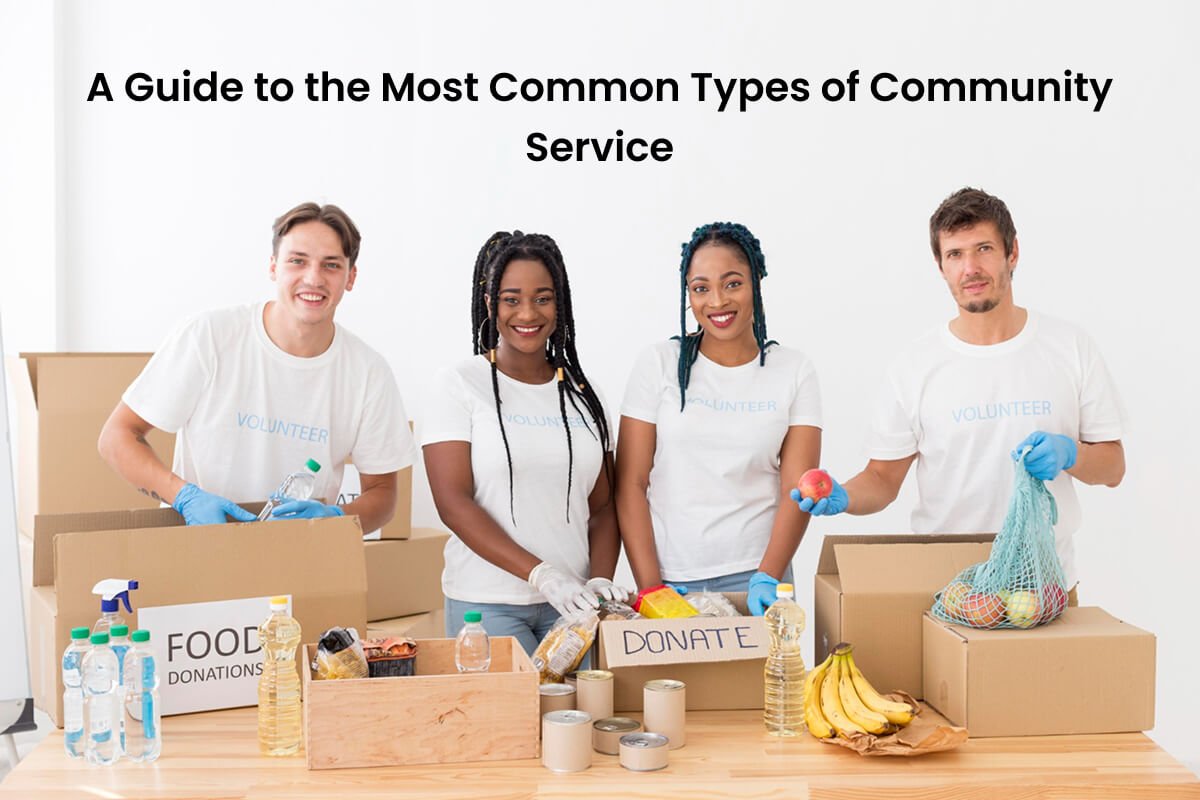
Community service has always been a powerful way for people to give back to society, connect with others, and contribute to a cause bigger than themselves. Whether someone suggests any hours, a temporal length of an event or entity’s existence or participates in a big project, community service fragments individuals of ultimate meaningful habits to form a certain impact. Every act of service—small or big—helps conceive stronger, more reliable, and more sympathetic peoples.
Over the years, social work has progressed considerably. It immediately includes an off-course range of ventures, from material conservation and instruction support to healthcare coming forward, mathematical involvement, and disaster remedy. With so many alternatives free, understanding the different types of social work can help things select actions that align accompanying their substances, adorations, and goals.
What Is Community Service?
Community service refers to voluntary activities performed by individuals or groups with the goal of improving communities, supporting those in need, or contributing to a social cause. Unlike paid work, community service is motivated by empathy, responsibility, and a willingness to give back.
Community service can take place in various environments—schools, non-profit organizations, neighborhoods, shelters, hospitals, and even online. It may involve hands-on work, mentorship, fundraising, or participating in awareness campaigns. The beauty of community service is that anyone, regardless of age, background, or skill level, can contribute meaningfully.
People engage in community service for different reasons: personal satisfaction, social responsibility, academic requirements, or professional growth. Regardless of the motivation, the outcome remains the same—stronger communities and a more supportive world.
Related Blog: What Is Community Service? Meaning, Purpose & Real-Life Examples
Most Common Types of Community Service
Community service covers a wide range of activities, and each type supports a unique aspect of society. Below are the most common forms, explained in detail.
Before diving into the list, it’s important to understand that community service can be hands-on, skill-based, donation-driven, or awareness-focused. There is no “one-size-fits-all” approach—each type contributes in different but equally valuable ways.
1. Environmental Service
Environmental service includes activities aimed at preserving nature, promoting sustainability, and protecting the planet. Volunteers may participate in tree plantation drives, beach clean-ups, waste segregation programs, recycling initiatives, or campaigns on climate change awareness. These efforts help reduce pollution, conserve natural resources, and promote a healthier environment.
2. Educational Service
Educational community service focuses on improving learning opportunities for children and adults. It includes tutoring, teaching digital skills, creating educational materials, mentoring students, assisting teachers, or volunteering at libraries and after-school programs. This type of service helps bridge educational gaps and empowers individuals with knowledge and skills.
3. Healthcare Volunteering
Healthcare-related community service involves assisting hospitals, clinics, blood banks, and medical camps. Volunteers may help with patient registration, wellness awareness campaigns, organizing blood drives, or offering emotional support to patients and families. While medical expertise is not always necessary, compassion and patience are essential.
4. Social Welfare and Community Support
This includes supporting vulnerable or marginalized groups such as the elderly, children, people with disabilities, or economically disadvantaged families. Activities include distributing food, helping at old-age homes, supporting orphanages, organizing donation drives, and running community kitchens. These initiatives provide dignity, security, and hope to those who need it most.
5. Animal Welfare
Animal welfare service includes volunteering at shelters, rescuing injured animals, supporting adoption drives, feeding street animals, or raising awareness about responsible pet care. This type of community service helps protect animals and promotes humane treatment in society.
6. Disaster Relief and Emergency Response
Disaster relief includes volunteering during natural calamities such as floods, earthquakes, and cyclones. Volunteers may help distribute supplies, offer first-aid support, raise emergency funds, or participate in rebuilding efforts. This type of service is urgent, impactful, and crucial for restoring affected communities.
7. Skill-Based Volunteering
People with specific skills—such as graphic design, social media management, writing, teaching, or technical expertise—can offer their abilities to NGOs or community groups. Skill-based volunteering is highly effective because it strengthens the operational capacity of organizations working for social good.
8. Online and Virtual Volunteering
Thanks to technology, community service can also be done from home. Options include running awareness campaigns, designing posters, mentoring online, participating in fundraising activities, or offering administrative support to non-profits. Virtual volunteering makes community service accessible to students, remote workers, and people with busy schedules.
9. Fundraising and Donation Drives
Some people support causes by organizing fundraisers, donating essential items, or helping NGOs raise resources for healthcare, education, or rehabilitation programs. Fundraising plays a major role in sustaining long-term community projects.
How to Choose the Right Type of Community Service?
Choosing the right type of community service depends on your interests, strengths, availability, and goals. Since every individual is different, the ideal service activity varies from person to person.
Before committing to a project, consider the kind of impact you want to make and the environment you’re comfortable working in. Some people enjoy outdoor activities like environmental work, while others may prefer mentoring, digital volunteering, or administrative support.
Below are the key factors to help guide your decision:
Factors to Consider
- Your interests: Choose an area—education, environment, healthcare, animal welfare—where you feel genuinely motivated.
- Your skills: Identify what you’re good at and how those skills can help others.
- Time availability: Decide whether you prefer short-term events or long-term commitments.
- Location: Some services require being physically present, while others can be done remotely.
- Physical ability: Choose activities that match your comfort and physical capacity.
- Age suitability: Some volunteering opportunities have age requirements.
- Cause alignment: Select causes that resonate with your values and beliefs.
- Learning goals: Consider whether you want to develop new skills or gain experience.
- Impact level: Decide whether you want direct interaction or behind-the-scenes support.
- Organizational support: Choose a reputable NGO or platform like Social For Action to ensure credibility and safety.
FAQs About Types of Community Service
Below are answers to the most commonly asked questions about community service.
Q1. What is disaster relief community service?
Disaster relief community service involves helping communities affected by natural calamities such as floods, earthquakes, cyclones, and droughts. Volunteers support rescue teams, distribute relief materials, assist in temporary shelters, and help families rebuild their homes and lives. This form of service is often urgent and requires teamwork, compassion, and resilience.
Q2. What activities fall under educational community service?
Educational community service includes tutoring students, teaching underprivileged children, supporting teachers, donating books, organizing learning workshops, or mentoring youth. It also involves helping with digital literacy programs and supporting school improvement initiatives. These activities help students develop skills and improve their academic performance.
Q3. How does community service support local communities?
Community service strengthens local communities by addressing their social, economic, and environmental needs. It provides essential resources, supports vulnerable populations, enhances public spaces, and fosters a sense of unity. Through collective effort, communities become safer, more supportive, and better equipped to handle challenges.
Q4. Do all types of community service require joining an NGO?
No. While NGOs provide structured opportunities, many community service activities can be done independently. You can start neighborhood clean-ups, help local families, tutor children, feed stray animals, or organize donation drives without belonging to an organization. However, partnering with an NGO can increase the impact and provide better resources.
Q5. Can community service be done from home?
Yes, many forms of community service can be done remotely. Examples include online tutoring, digital volunteering, creating awareness content, managing NGO social media, designing posters, fundraising, or helping with administrative tasks. Virtual volunteering is flexible and accessible for people with time or mobility limitations.
Conclusion
Community service is more than just volunteering—it is an opportunity to create meaningful change, inspire others, and build stronger communities. With numerous types of service available, everyone can contribute in their own way, based on their passion and capabilities.
Whether you participate in educational programs, environmental initiatives, healthcare support, or online volunteering, every action counts. The key is to start where you are, use what you have, and do what you can.
Take Action Now: Volunteer or Donate with Social For Action
If you’re ready to make a difference but don’t know where to begin, Social For Action (SFA) provides a trusted platform to connect you with verified volunteering and donation opportunities. SFA works with credible NGOs and community initiatives across India, ensuring your contribution reaches those who need it most.
Whether you prefer hands-on community service or want to support a cause through donations, your involvement can create a lasting impact. Take the first step today—because positive change begins with action.





Post a Comment