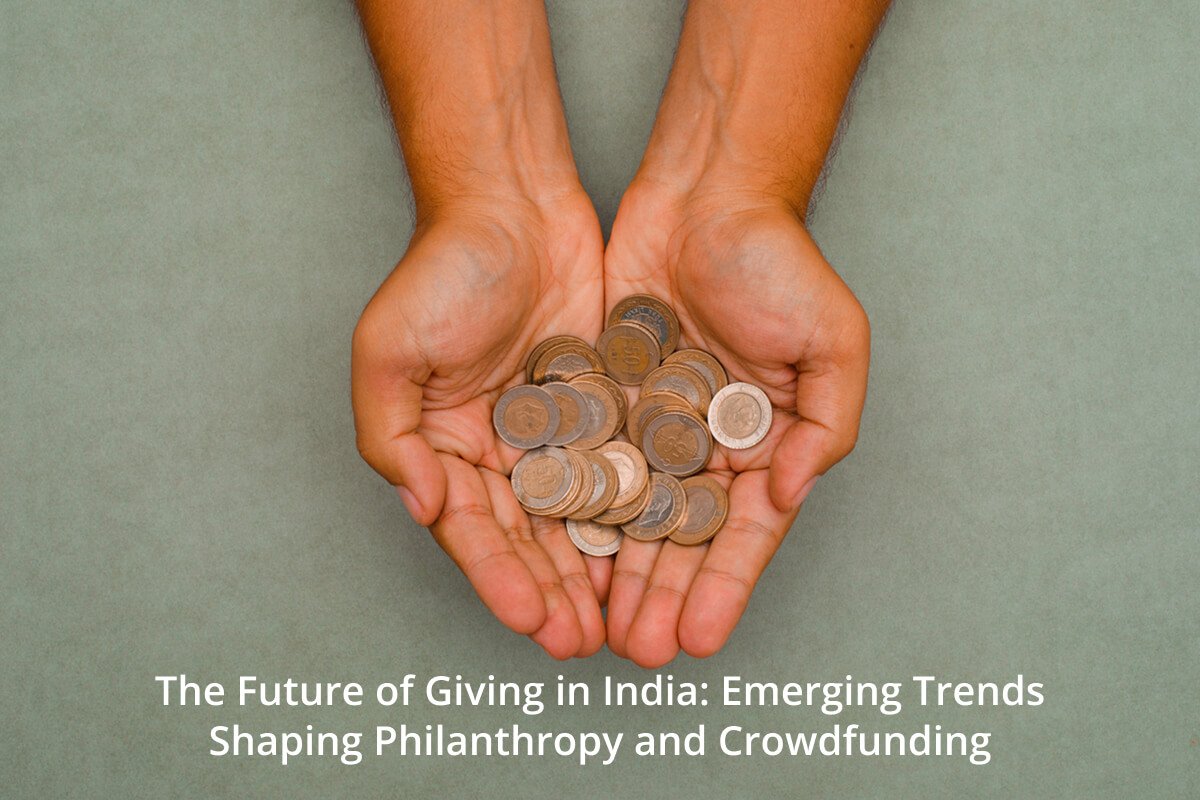
How Giving in India Is Evolving
Giving in India is starting to shift away from the old style charity and it’s becoming a bit more smarter, tech driven kind of philanthropy. Donors are now looking for better visibility, clear responsibility and results that can actually be measured in real life.
India’s Tradition of Philanthropy
Giving has been woven into India’s cultural and spiritual beliefs for a long time. For generations, communities stepped in to support others who were facing need. That inheritance still keeps shaping what modern philanthropy looks like today.
How Donor Expectations Have Changed
Now a days, donors often ask, what happened to their money and what difference it made, They want transparency, steady updates and outcomes that last longer than, a single moment.
The Transition From Offline to Digital Giving
With digital payments, crowdfunding sites and handheld apps, donating feels faster and more simple, almost like it’s always right there. Also technology sort of broadened the ways folks can back a cause, any time, and from wherever, even in short windows.
Why Modern Donors Want More Than Just Donation Receipts
People seem to be moving past just acknowledgements. They want actual participation in the causes they sponsor, not simply a receipt and this neat, polite thanks. Rather than only paperwork they look for stories, progress notes and evidence that results aren’t merely claimed, but really noticed, in a way that feels true.
The Growing Focus on Measurable Impact
Donors are leaning more and more toward groups that can show real progress using data, with clear reporting. When the impact gets watched and measured, trust often rises, and supporters usually remain longer for that reason.
Key Insight Box
True generosity isn’t just the amount donated, it’s measured by the good change it brings, in the real world, like it actually shifts something better, even in small ways.
The Shift From Traditional Charity to Strategic Giving
These days giving feels a bit more careful, like donors are thinking about making something stick, not just tossing a quick bit of help and done.
Foundation Section
What Is Strategic Giving?
Strategic giving is basically donating with a clear aim , so you can drive meaningful progress over the long haul.
Charity vs Long-Term Social Impact
Classic charity tends to handle what’s right in front of you, but long-term impact is about untangling the real root causes behind social problems.
Why Donors Are Becoming More Outcome-Focused
A lot of people want to actually see how their backing is shifting things in real life, not just hearing vague, smooth talk. They’re also expecting measurable results and not those airy, kind of unclear promises because it feels more concrete that way.
Supporting Sustainable Solutions Rather Than Short-Term Relief
More donors now lean toward efforts that strengthen communities , and keep creating positive momentum rather than only offering temporary assistance.
How Data Is Influencing Donation Decisions
When donors can review information, metrics and impact reports they can decide better. They also feel more confident backing organizations they trust.
Comparison Table
| Traditional Giving | Strategic Giving |
|---|---|
| Donation-focused | Purpose-driven impact |
| One-time support | Lasting positive change |
| Limited reporting | Clear and measurable impact |
| Reactive giving | Thoughtful and planned giving |
Featured Snippet Opportunity
What Is Strategic Giving?
Strategic giving is basically the practice of donating in a mindful way, to make something meaningful and long term positive change happen instead of just offering short term support, you know.
Why Digital Platforms Are Transforming Philanthropy
Digital platforms made giving feel easier. faster, and more transparent too. so more people can back cause they actually care about without too much friction.
Digital Transformation Section
The Rise of Online Giving
Online platforms help make donating, sort of straightforward, allowing folks to contribute any time and from virtually anywhere.
How Digital Payments Simplified Donations
With secure digital payment options, the whole donation steps become quick, convenient, and generally hassle-free.
Breaking Geographic Barriers Through Technology
Technology connects donors with causes across different cities, and even countries. so the charitable giving reach gets bigger than before.
Greater Accessibility for Donors and NGOs
Digital platforms let donors discover credible organizations more easily and at the same time, they help NGOs meet a wider crowd.
The Growth of Mobile-First Giving
Since smartphones are basically part of everyday life now, people can donate right away with just a few taps, no big effort.
How Platforms Increase Transparency
Lots of platforms share progress updates, impact reports, and fund tracking. this gives donors more trust about where their contributions end up.
Digital Giving Benefits Table
| Benefit | Impact |
|---|---|
| Convenience | Instant contributions |
| Accessibility | Reaches more people and causes |
| Transparency | Builds donor trust |
| Scalability | Increases fundraising opportunities |
The Rise of Crowdfunding as a Mainstream Giving Channel
Crowdfunding has sort of made giving more inclusive, so people can directly back causes and still create real social impact like, in a way that feels personal and not too distant.
SocialForAction-Relevant Section
Understanding Crowdfunding’s Growth
Crowdfunding has grown fast because fundraising is kept simple, kind of transparent, and actually accessible for everyone, even if you’re not super experienced.
Why Individual Donors Are Driving Change
A bunch of small contributions coming from many people are helping cover important needs, and also building lasting community impact, step by step.
Community-Led Fundraising Campaigns
In neighborhoods and communities, people are showing up together, to raise money for healthcare, education, disaster relief and other social needs that can get missed sometimes. It’s kind like everybody, well, chipping in a more direct way.
Democratizing Access to Funding
Crowdfunding gives individuals, nonprofits, and social initiatives the same kind of shot at raising funds, regardless of how big or small they are. No matter the size, right?
Success Stories From Crowdfunding Ecosystems
Plenty of lives, and community projects too, have been changed through collective support from thousands of everyday donors.
How Crowdfunding Complements Traditional Fundraising
Crowdfunding doesn’t really replace traditional fundraising completely, it works alongside it, kind of beside it too, and helps orgs find even more supporters and raise funds faster in many instances
The Future Role of Crowdfunding Platforms
As technology keeps moving forward, crowdfunding platforms will continue making giving more transparent , more engaging, and more meaningful in its outcomes, probably in ways we can’t predict yet.
Comparison Table
| Traditional Fundraising | Crowdfunding |
|---|---|
| Organization-led | Community-powered |
| Limited reach | Wider digital reach |
| Larger donor dependency | Supported by many individual donors |
| Longer cycles | Faster donor engagement |
How Technology Is Changing Donor Expectations
Somehow technology has made donors way more informed, so they often start asking for transparency, frequent notes, and measurable results before they decide to give. It’s like, donors want to see what changes because of them, not just the story after.
High-Value Trend Section
Demand for Real-Time Updates
Donors really like timely updates, that show in practical ways how contributions are making a difference. When updates arrive right on schedule, it feels more credible and less, kind of vague.
Transparency and Accountability
Transparency and accountability helps build donor trust, sort of by making sure funds are used responsibly and that impact is shared in an open way not hidden.
Data-Driven Impact Reporting
Impact reports that are clear, with measurable outcomes, help donors decide more confidently. They need proof not just confident catch phrases or optimistic talk.
Personalized Giving Experiences
Technology helps donors find causes that fit their interests and personal values, faster than before. Instead of searching forever, they get suggestions that feel more relevant.
Easy Access to Campaign Information
On digital platforms, it’s more easy to look at campaign pages, objectives, schedules and momentum. It kind a makes things simpler for comparing the options and choosing which causes to support.
Why Trust Is Becoming a Competitive Advantage
Organizations that remain transparent and consistent tend to earn stronger donor trust, plus longer term support. In a way, trust becomes a real differentiator not just a nice extra.
Featured Snippet Opportunity
What Do Modern Donors Expect From NGOs?
- Transparency — In the sense of clear and understandable info about how donations are actually used.
- Accountability — Meaning funds handled responsibly and with ethics not just words.
- Real-time updates — Regular progress notes on programs campaigns, sometimes even quick changes when plans shift.
- Measurable impact — Evidence that there is meaningful and long lasting improvement, not only activity counts.
- Easy digital experiences — Simple secure and convenient ways to donate, plus staying in touch without fuss.
The Growing Influence of Younger Donors
It’s kinda happening that younger generations are reshaping philanthropy, by using digital giving more and backing causes that, honestly match how they see the world.
Future Donor Section
How Millennials and Gen Z Are Changing Philanthropy|
Millennials and Gen Z are pushing giving to feel more open , more tech centered, and far more focused on outcomes and impact. It’s not just “write a check” anymore, no.
Purpose-Driven Giving
Young donors usually back efforts that match their convictions, an they also want to make real, durable social change not just hand out vague support.
Digital-Native Donation Behaviors
Because they’re comfortable with online platforms, younger donors can make contributions fast and easily, and it often becomes part of daily routines instead of some big rare event.
The Role of Social Media in Cause Discovery
Social media kind a acts like a compass for finding causes. People see uplifting stories, join in, and get pulled into fundraising campaigns even when they didn’t plan to.
Supporting Causes Aligned With Personal Values
Today’s donors often looking for organizations that kind a mirror their own values. And that can be education, health, the environment or even social justice depending on what matters most to them.
The Rise of Peer-to-Peer Fundraising
More people are collecting donations through friends, family and their wider social circles, so giving feels more personal and community led, not so formal and distant.
Generation Comparison Table
| Traditional Donors | Younger Donors |
|---|---|
| Institution-focused | Value-driven giving |
| Annual donations | Long-term engagement |
| Limited interaction | Actively support and advocate |
| Offline giving | Mobile and digital-first giving |
Corporate Giving, CSR, and Collaborative Impact
Corporate giving is shifting past simple donation mode, like businesses, NGOs, and local communities are sort of syncing up to make a more durable social effect, not just a quick event.
Ecosystem Section
Evolution of Corporate Social Responsibility
CSR has moved from those occasional acts of charity, into ongoing programs that back sustainable community development, more steady and planned.
Strategic CSR and Community Development
Many firms are putting resources into initiatives that tackle social pressures while also leaving behind real benefits for communities later on.
Employee Engagement in Social Causes
A lot of organizations push staff to volunteer, contribute financially, and also show up in social efforts in an active way. Sometimes it becomes kind of a routine.
Partnerships Between NGOs and Corporates
When NGOs and businesses collaborate, the mix of know how and resources usually ends up with a result that feels stronger then what either side could do by itself , or at least that’s how it often seems.
Technology-Enabled CSR Monitoring
Digital platforms let groups follow what’s happening, estimate results, and keep the CSR work more transparent. This part matters more and more, honestly.
Collective Impact Through Collaboration
By acting together, businesses, non-profits, and local communities can tackle hard social problems in a more streamlined way, and yes it’s basically the point.
Why Partnerships Will Define Future Social Change
The partnerships that hold up, will likely be the main factor for scaling new ideas and sustaining long-term change that actually sticks.
Writer Instructions
The future of CSR is in these meaningful alliances where businesses, NGOs and communities work together so they can create enduring social impact, not just tick the compliance boxes. In other word’s it is more than paperwork, it’s that kind of steady cooperation where everyone contributes, and somehow the results stay.
Emerging Trends That Will Shape the Future of Giving
In the coming years, philanthropy won’t just rely on tradition, it’ll be powered by technology, new ways of thinking, more collaboration, and a sharper attention on social impact that you can actually measure.
Thought Leadership Section
Data-Driven Philanthropy
Data lets donors and organizations take better calls, in real terms, and stretch their efforts toward stronger social results.
Impact Investing and Blended Social Models
A growing number of people back initiatives that hold two things at once, financial stability and real social movement.
AI and Automation in Fundraising
Today’s donors often looking for organizations that kind a mirror their own values. And that can be education, health, the environment or even social justice depending on what matters most to them.
Hyper-Personalized Donor Experiences
With modern tools, donors can find and support causes that line up with their concerns, and their personal values too.
Real-Time Impact Tracking
Fresh updates, and impact dashboards, give donors a sense of immediate visibility, so they can see change as it happens.
Community-Powered Giving Models
Local communities are kind of banding together to help fund causes through a collective act , and this shared intent that feels more direct , like not delayed or vague.
Increased Demand for Transparency
Donors are asking for clear follow ups, responsible management of funds, and results that can be observed and shown.
Giving as a Continuous Relationship, Not a Transaction
More often than not , giving is focused on maintaining connection with causes through continued support and steady involvement rather than a quick exchange.
Future Trends Table
| Trend | Potential Impact |
|---|---|
| AI-enabled fundraising | More personalized donor engagement |
| Impact tracking | Greater trust and transparency |
| Digital philanthropy | Broader participation in giving |
| Community giving | Stronger local and collective impact |
Challenges and Opportunities in the Next Decade
The future of giving looks honestly exciting , yet it also comes with those hard pieces you know, where the key challenges must be handled well to keep the social impact from fading.
Balanced Perspective Section
Combating Donor Fatigue
When you keep donors engaged with thoughtful, steady updates and impact you can actually see, support is more likely to last , rather than slowly drift away.
Building Long-Term Trust
Transparency, real accountability, and dependable outcomes tend to become the bedrock for donor confidence that sticks, over time.
Managing Information Overload
If messages are clear, and they stay simple, donors can decide with less confusion without feeling completely swamped.
Ensuring Transparency at Scale
As giving grows and spreads out, organizations need to stay open and accountable across every initiative no matter how large it becomes.
Expanding Giving Beyond Urban Areas
New technology kind of works like a connector, linking donors to overlooked communities in country areas and far off regions, even when the distance stays stubborn.
Bridging the Digital Divide
Stronger internet access, plus some awareness can make offering online feel more approachable and inclusive for everyone, and not only for the few.
Creating Sustainable Funding Models
By mixing several sources of support and nurturing durable partnerships organizations can sustain real impact, without needing to restart again and again.
Myth vs Reality Table
| Myth | Reality |
|---|---|
| Technology alone creates impact | Technology empowers people, but purpose creates change |
| Bigger organizations always win | Trust and transparency inspire greater support |
| Donations are declining | People are giving in new and more accessible ways |
What the Future Means for NGOs, Donors, and Communities
Honestly, the future of giving seems to depend on stronger, messier collaboration, more visibility, and shared responsibility between NGOs, donors and communities not just one side doing all the heavy lifting, kind alone.
Forward-Looking Section
How NGOs Must Adapt
NGOs need to lean into technology, talk more openly, and prove outcomes in a measurable way, so trust doesn’t just appear out of nowhere and disappear later.
The New Expectations of Donors
Today’s donors want transparency, steady status updates, and real evidence that their funds are actually making a difference, not just hopeful claims or glossy stories.
Communities as Active Participants
Communities aren’t only beneficiaries anymore they’re turning into co-creators and partners, helping design, maintain and sustain positive change.
Building Stronger Social Impact Ecosystems
When donors, NGOs, businesses, and communities work alongside each other , the social impact ecosystem becomes more coordinated, and solutions can stretch out longer, and actually work better.
Why Transparency Will Be Non-Negotiable
Clear communication, accountability, and taking responsibility for results will matter a lot for earning donor confidence and keeping long term support.
The Opportunity to Democratize Giving
Technology keeps lowering the barrier, so more people can slide into philanthropy , no matter where they live or how much they can really share.
AI Overview Opportunity
Top Trends Shaping the Future of Giving in India
- Digital philanthropy — Making giving faster, easier and more accessible, in a way.
- Crowdfunding growth — Letting communities support causes together, as one.
- Data-driven impact measurement — Helping donors choose more confidently, based on evidence.
- Younger donor participation — Fueling purpose-led and digital first giving, basically.
- Technology-enabled transparency — Strengthening trust through real time updates, and clear accountability.
Conclusion
The Future of Giving Is More Connected Than Ever
It seems like technology and plain cooperation, are pulling donors, NGOs, and local communities much closer together so it’s easier to build genuine social impact, with no all the usual distance.
Technology Is Changing How We Give, Not Why We Give
Even with digital tools changing the whole giving experience , the core motive stays put to help people and strengthen communities.
Impact, Transparency, and Trust Will Define Tomorrow’s Philanthropy
Philanthropic groups that can show actual outcomes, plus keep transparency in place, will probably earn durable donor confidence and support.
Closing Takeaway
In India the future of giving, is going to be powered by technology and also by transparency, plus this stronger community involvement that keeps growing over time. The orgs that really lean into innovation, stay responsible, and focus on real human engagement will be in a better position to build trust and spark lasting social shift.
FAQ Section
What are the biggest philanthropy trends shaping India today?
Digital giving, crowdfunding, impact measurement, transparency, and then, more participation from younger donors are kind of steering where philanthropy in India is going next , it seems.
How is crowdfunding changing charitable giving in India?
Crowdfunding is making it easier to raise funds , because people and communities can back a cause quickly using online platforms and it feels more immediate less complicated.
Why are younger generations influencing the future of philanthropy?
Because Millennials and Gen Z usually lean toward purpose driven digital first giving, and they also want to actually see the tangible outcomes of what they contribute.
What role does technology play in modern giving?
Technology helps simplify donations , boosts transparency, provides real time updates , and supports organizations in measuring their impact and telling that story clearly.
How can NGOs prepare for the future of fundraising?
NGOs can sort of lean into digital tooling, and sort of build donor confidence using transparency that is clear. They should also track outcomes in a more disciplined, methodical way because not everything is just about attention.



Post a Comment