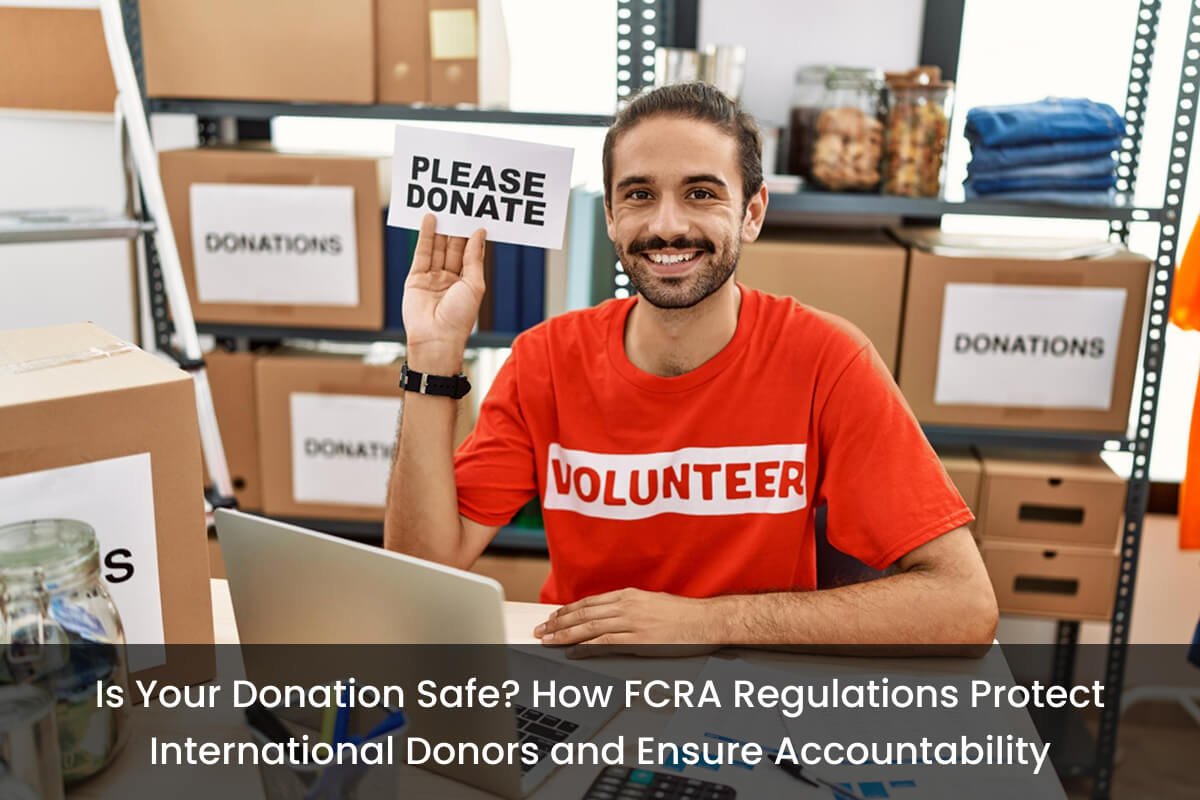
Why Donation Safety Is a Concern for International Donors
When gifts traverse an area borders, the distance between patron and recipient spontaneously conceives uncertainty. Unlike local bestowing, worldwide offerings frequently include unfamiliar rules, restricted perceptibility, and additional layers of fiscal and allowable complicatedness.
This blend makes security a basic concern. Donors want confidence that their offerings are shielded, properly trained, and eventually secondhand for the purpose they engaged.
Risks in Cross-Border Giving
International donations travel diversified orders—banks, supervisory foundations, and intermediaries. Each step presents potential risks to a degree delays, agreement issues, or undertaking failures, making the process less easy than household bestowing.
Lack of Transparency in Some NGOs
Not all arrangings uphold clear or consistent newsgathering practices. In the omission of organized transparence, donors concede possibility struggle to appreciate in what way or manner their finances are being secondhand or whether they are arriving the engaged benefits.
Fear of Fund Misuse
One of the most important concerns for donors is the chance that finances grant permission be misallocated or deflected. Without correct oversight and responsibility systems, it enhances troublesome to ensure that gifts are secondhand responsibly.
Legal Uncertainty
Different nations have variable regulations governing offshore gifts. Donors can be insecure about the legal suggestions of their gifts, containing either the receiver organization is approved to endure worldwide cash reserves.
Need for Trustworthy Systems
Given these challenges, donors depend organized structures that support proof, monitoring, and responsibility. Frameworks like FCRA help base this trust by guaranteeing that gifts are handled inside a controlled and understandable surroundings.
What Is FCRA and Why It Exists
To address concerns around safety and accountability in international giving, it’s important to understand the regulatory systems that govern foreign donations. These frameworks are designed not just for compliance, but to create a secure and transparent environment for both donors and recipient organizations.
One of the most important of these in India is the Foreign Contribution Regulation Act (FCRA). It serves as a foundational safeguard, ensuring that foreign funds are received and used responsibly.
Full Form and Meaning
FCRA stands for the Foreign Contribution Regulation Act, a law enacted by the Government of India to regulate the acceptance and utilization of foreign contributions by individuals, associations, and NGOs.
Purpose of the Regulation
The primary purpose of FCRA is to ensure that foreign donations do not negatively impact national interests while promoting transparency and accountability. It creates a controlled system where funds are monitored and used for legitimate, declared purposes.
Who Needs FCRA Certification
Any NGO, trust, society, or Section 8 company in India that intends to receive foreign donations must obtain FCRA registration or prior approval. Without this certification, receiving international contributions is not legally permitted.
Scope of Foreign Donations
FCRA covers all types of foreign contributions, including money, articles, and securities received from foreign individuals, organizations, or entities. It applies to both direct donations and funds routed through intermediaries.
Importance for Donor Protection
For donors, FCRA acts as a protective framework. It ensures that contributions are routed through authorized channels, tracked systematically, and used responsibly—reducing the risk of fraud, misuse, or legal complications.
How FCRA Ensures Legal Protection for Donors
For international donors, legal protection is just as important as intent. Without a structured regulatory system, even genuine contributions can face compliance issues, delays, or misuse. This is why understanding how legal safeguards work is essential before donating across borders.
FCRA provides that safeguard by establishing clear rules and oversight mechanisms. It ensures that donations are not only accepted legally but are also managed within a controlled, accountable framework.
Mandatory Registration for NGOs
Under FCRA, NGOs must obtain official registration or prior approval before receiving foreign contributions. This requirement filters out unauthorized entities and ensures that only verified organizations can legally accept international donations.
Legal Framework for Donations
FCRA creates a well-defined legal structure governing how foreign funds are received, recorded, and utilized. This framework reduces ambiguity and provides donors with clarity on how their contributions are handled within Indian law.
Compliance Requirements
Organizations must follow strict compliance norms, including maintaining detailed records, submitting annual returns, and adhering to financial reporting standards. These requirements ensure that every donation is documented and traceable.
Monitoring of Fund Flow
Foreign contributions must be routed through designated bank accounts, enabling authorities to monitor transactions closely. This tracking system ensures that funds are used for approved purposes and minimizes the risk of diversion.
Enforcement of Regulations
FCRA includes strong enforcement mechanisms, such as audits, inspections, and penalties for non-compliance. These measures act as a deterrent against misuse and reinforce accountability, providing donors with added confidence in the safety of their contributions.
How FCRA Prevents Misuse of Donations
One of the biggest concerns for donors is whether their contribution will be used as intended. Without proper safeguards, even well-meaning donations can be misdirected, mismanaged, or diverted away from their original purpose.
FCRA addresses this concern through a series of preventive controls. Rather than reacting to misuse after it happens, the framework is designed to minimize risk at every stage of the donation lifecycle.
Strict Eligibility Criteria
FCRA allows only organizations with a proven track record, clear objectives, and structured governance to receive foreign contributions. This screening process reduces the likelihood of unreliable or fraudulent entities accessing donor funds.
Controlled Fund Usage
Organizations must use foreign contributions strictly for the purposes they have declared. Any deviation from approved objectives is not permitted, ensuring that donations remain aligned with the intended cause.
Restrictions on Transfer of Funds
FCRA places limits on transferring foreign contributions to other entities. This prevents funds from being passed through multiple layers without oversight, reducing the risk of diversion or misuse.
Regular Audits
Mandatory internal and external audits help verify how funds are utilized. These audits detect discrepancies, ensure compliance with regulations, and reinforce transparency in financial management.
Penalties for Violations
Non-compliance with FCRA regulations can result in severe penalties, including fines, suspension, or cancellation of registration. These strict consequences act as a strong deterrent, encouraging organizations to manage funds responsibly and ethically.
Key Compliance Requirements for NGOs Under FCRA
For NGOs receiving international donations, compliance is not a one-time requirement—it’s an ongoing responsibility. These rules are designed to ensure that foreign contributions are managed transparently, legally, and in alignment with declared objectives.
FCRA outlines clear compliance requirements that organizations must follow at every stage. These obligations create a structured system that promotes accountability and builds trust with donors.
Registration and Renewal Process
NGOs must obtain FCRA registration or prior approval before accepting foreign contributions. This registration is not permanent—it requires periodic renewal, ensuring that organizations continue to meet eligibility and compliance standards over time.
Filing Annual Returns
Organizations are required to file annual returns detailing all foreign contributions received and how they were utilized. These filings include audited financial statements and must be submitted to the Ministry of Home Affairs within specified timelines.
Maintaining Separate Bank Accounts
FCRA mandates that foreign contributions be received and managed through designated bank accounts. This separation from domestic funds allows for clear tracking and monitoring of international donations.
Record-Keeping Requirements
NGOs must maintain detailed records of all transactions related to foreign contributions. This includes donor information, receipts, expenditure details, and supporting documentation, ensuring a complete audit trail.
Adherence to Usage Guidelines
Funds must be used strictly for the purposes defined at the time of registration. Organizations must also comply with restrictions on administrative expenses and avoid unauthorized transfers, ensuring that contributions are used responsibly and effectively.
Transparency and Accountability Mechanisms
For donors, confidence in a cause depends on more than intent—it relies on clear systems that show how funds are managed and what outcomes they produce. Transparency and accountability mechanisms provide this clarity, turning trust into something measurable and verifiable.
FCRA strengthens these mechanisms by requiring organizations to operate within defined standards. These safeguards ensure that every contribution is handled responsibly and remains open to scrutiny.
Financial Reporting Standards
FCRA-certified NGOs must follow structured financial reporting practices, including audited statements and detailed records of income and expenditure. These standards ensure consistency, accuracy, and clarity in how financial information is presented.
Disclosure of Fund Usage
Organizations are required to clearly disclose how foreign contributions are utilized. This includes categorizing expenses, linking them to specific programs, and ensuring that funds are used only for approved purposes.
Donor Communication
Transparent NGOs maintain regular communication with donors through updates, reports, and impact summaries. This ongoing engagement helps donors stay informed about how their contributions are being used and the results achieved.
Public Accountability
Many organizations make financial reports and operational details publicly accessible, going beyond minimum compliance requirements. This openness allows stakeholders to independently review and assess the organization’s performance.
Compliance Monitoring
Regulatory authorities continuously monitor FCRA compliance through filings, audits, and inspections. This oversight ensures that NGOs adhere to legal requirements and maintain high standards of accountability in managing foreign contributions.
Role of Government Oversight in Donation Safety
When donors give internationally, they rely not only on the integrity of NGOs but also on the strength of the systems that oversee them. Government oversight plays a crucial role in ensuring that donations are handled safely, legally, and in line with national regulations.
Under frameworks like FCRA, this oversight is structured and continuous. It creates a layer of protection that supports transparency, detects irregularities, and enforces accountability across all organizations receiving foreign contributions.
Regulatory Authorities
In India, the Ministry of Home Affairs (MHA) is the primary authority responsible for administering FCRA. It evaluates applications, grants approvals, and maintains records of all registered organizations receiving foreign funds.
Monitoring Systems
The government uses digital systems to track filings, financial disclosures, and fund utilization reports submitted by NGOs. These systems allow for ongoing monitoring and quick identification of inconsistencies or compliance gaps.
Inspection and Audits
Authorities have the power to conduct inspections and audits of FCRA-registered organizations. These reviews assess financial records, verify fund usage, and ensure adherence to regulatory requirements.
Enforcement Actions
If violations are identified, the government can take enforcement actions such as issuing notices, imposing penalties, suspending registrations, or canceling FCRA approval. These measures act as a deterrent against misuse and non-compliance.
Ensuring Compliance
Through continuous oversight, monitoring, and enforcement, the government ensures that NGOs operate within the legal framework. For donors, this means added assurance that their contributions are protected and used responsibly within a regulated system.
How FCRA Ensures Proper Fund Utilization
For donors, the ultimate question isn’t just whether funds are received legally—it’s whether they are used effectively to create real impact. Proper fund utilization ensures that contributions translate into meaningful outcomes rather than getting lost in inefficiencies or mismanagement.
FCRA addresses this by setting clear rules on how foreign contributions must be allocated, tracked, and evaluated. These measures ensure that funds are directed toward genuine programs and deliver tangible benefits to intended communities.
Purpose-Based Fund Allocation
FCRA requires organizations to use foreign contributions strictly for the purposes they declared during registration. This ensures that donations are aligned with specific programs and not diverted to unrelated activities.
Restrictions on Administrative Expenses
To prioritize impact, FCRA places limits on administrative spending. This ensures that a significant portion of funds is directed toward program activities rather than overhead costs.
Tracking Program Implementation
Organizations must maintain detailed records of how funds are used within each program. This tracking links financial inputs to actual activities, ensuring that resources are utilized as planned.
Monitoring Impact
Beyond expenditure, NGOs are expected to assess the outcomes of their initiatives. Monitoring systems help evaluate whether programs are achieving their intended goals, providing measurable insights into effectiveness.
Ensuring Beneficiary Outcomes
By combining allocation rules, financial tracking, and impact monitoring, FCRA helps ensure that donations ultimately benefit the intended recipients. For donors, this creates confidence that their contributions are driving real, positive change on the ground.
Risks of Donating Without FCRA Compliance
Even with the best intentions, donating without understanding compliance requirements can expose both donors and recipients to unnecessary risks. International giving isn’t just about generosity—it also requires alignment with legal and regulatory frameworks to ensure funds are handled safely.
When FCRA compliance is overlooked, the safeguards that protect donations are no longer in place. This can lead to uncertainty, reduced transparency, and potential misuse of funds.
Legal Consequences
Donating to organizations that are not FCRA-compliant can result in funds being blocked, rejected, or flagged by authorities. In some cases, it may also lead to legal complications for both the donor and the recipient.
Lack of Transparency
Without FCRA requirements, organizations are not obligated to maintain or disclose detailed financial records. This makes it difficult for donors to track how their contributions are being used.
Higher Risk of Fraud
The absence of regulatory oversight increases the likelihood of fraudulent activities. Funds may be misdirected or misused without proper checks and monitoring systems in place.
No Accountability
Non-compliant organizations are not subject to the same level of audits, reporting, or government scrutiny. This lack of accountability reduces assurance that funds are managed responsibly.
Uncertain Impact
Without structured reporting and monitoring, donors may not be able to assess whether their contributions have created meaningful outcomes. This uncertainty undermines the purpose of giving and reduces confidence in the process.
How to Verify If Your Donation Is Safe
Ensuring your donation is safe doesn’t require complex investigation—but it does require a few deliberate checks. In international giving, taking time to verify an organization can significantly reduce risks and increase confidence in your contribution.
By following a structured approach, donors can confirm both legal compliance and operational transparency, ensuring their funds are directed toward credible and accountable organizations.
Checking FCRA Registration
Start by confirming whether the NGO is registered under the Foreign Contribution Regulation Act (FCRA). This can be verified through official government databases, where you can check the organization’s registration status, validity, and compliance history.
Reviewing NGO Credentials
Evaluate the organization’s background, including its mission, leadership, and track record. A credible NGO will have consistent information across its website, reports, and public disclosures.
Verifying Financial Reports
Look for audited financial statements and annual reports that detail fund usage. Transparent organizations make these documents accessible, allowing donors to understand how contributions are managed and allocated.
Using Trusted Platforms
Platforms like SocialForAction help simplify verification by listing vetted, compliant NGOs. These platforms often conduct due diligence, making it easier for donors to give with confidence.
Identifying Warning Signs
Be cautious of NGOs that avoid sharing registration details, lack financial transparency, or request donations through informal channels. Inconsistent information, missing reports, or vague impact claims are key red flags that should not be ignored.
Role of Trusted Platforms Like SocialForAction
Navigating international donations can feel complex, especially when donors must balance intent with due diligence. Even with knowledge of compliance frameworks like FCRA, identifying trustworthy organizations and secure donation channels can still be challenging.
This is where curated platforms add significant value. By combining verification, compliance checks, and transparent systems, they simplify the giving process and reduce uncertainty for donors.
Curating Verified NGOs
SocialForAction carefully selects NGOs based on credibility, track record, and compliance standards. This curated approach ensures that donors are connected with reliable organizations.
Ensuring FCRA Compliance
The platform prioritizes NGOs that meet FCRA requirements, helping ensure that all listed organizations are legally authorized to receive foreign contributions. This reduces the risk of donating to non-compliant entities.
Providing Secure Donation Channels
With structured and secure payment systems, SocialForAction enables safe and traceable transactions. Donors can contribute with confidence, knowing their funds are routed through proper channels.
Offering Transparency Tools
The platform enhances visibility by providing access to reports, updates, and fund utilization details. These tools help donors understand how their contributions are being used.
Enhancing Donor Confidence
By integrating compliance, transparency, and ease of use, SocialForAction creates a reliable giving environment. This strengthens donor trust and encourages informed, responsible contributions.
Common Myths About Donation Safety
Despite increased awareness around safe giving, several misconceptions still influence how donors approach international donations. These myths can create a false sense of security—or unnecessary doubt—leading to uninformed decisions.
Understanding the reality behind these assumptions is essential. It helps donors move from guesswork to informed, responsible giving backed by compliance and transparency.
“All Donations Are Automatically Safe”
Not all donations are inherently safe, especially in cross-border contexts. Without verifying compliance frameworks like FCRA, contributions may be exposed to legal risks or misuse. Safety depends on choosing authorized and transparent organizations.
“Small Donations Don’t Need Verification”
Every foreign contribution, regardless of size, falls under regulatory requirements. Even small donations should be made to FCRA-compliant NGOs to ensure legality and proper tracking.
“NGOs Don’t Follow Regulations”
While not all organizations operate with the same level of compliance, many NGOs strictly follow regulations like FCRA. Certified organizations are required to maintain records, file reports, and undergo audits—ensuring accountability.
“Transparency Is Optional”
Transparency is not optional for FCRA-registered NGOs. It is enforced through mandatory disclosures, financial reporting, and government oversight, ensuring that fund usage remains visible and verifiable.
“Impact Cannot Be Measured”
Modern NGOs use structured monitoring and evaluation systems to measure outcomes. Through reports, data tracking, and case studies, they demonstrate how donations create tangible impact, making results both visible and measurable.
How FCRA Builds Confidence in International Giving
Confidence in international giving doesn’t come from intent alone—it comes from systems that consistently prove donations are handled safely and effectively. Donors need assurance that their contributions are protected, traceable, and aligned with real impact.
This is where FCRA plays a defining role. By combining legal safeguards with transparency and accountability measures, it creates a structured environment that strengthens trust in cross-border philanthropy.
Legal Assurance
FCRA provides a clear legal framework that governs how foreign contributions are received and used. This ensures that donations are processed through authorized channels, reducing legal uncertainty for donors.
Transparency Framework
The Act enforces structured reporting and disclosure requirements, making it easier to track fund flow and understand how contributions are utilized. This visibility helps donors stay informed.
Accountability Systems
Through audits, compliance checks, and government oversight, FCRA ensures that NGOs remain accountable for their financial practices. These systems reinforce responsible fund management.
Reliable Impact Tracking
With proper documentation and reporting in place, organizations can measure and communicate the outcomes of their programs. Donors gain clearer insights into the real-world impact of their contributions.
Long-Term Donor Trust
By consistently applying these safeguards, FCRA fosters long-term trust between donors and organizations. When donors feel confident about safety and transparency, they are more likely to continue supporting causes and contribute to sustained impact.
FAQs About Donation Safety and FCRA
Even with a strong regulatory framework in place, donors often have practical questions about safety, compliance, and how to give responsibly. Addressing these concerns helps remove uncertainty and makes international giving more accessible and secure.
Clear answers to common questions can guide donors toward safer, more informed decisions—ensuring that their contributions are both protected and impactful.
Q1. Is donating to NGOs in India safe?
Yes, donating to NGOs in India can be safe if you choose organizations that comply with FCRA regulations. These NGOs operate under strict legal and reporting frameworks, ensuring that funds are properly managed, tracked, and used for intended purposes.
Q2. How does FCRA protect donors?
FCRA protects donors by enforcing legal compliance, transparency, and accountability. It requires NGOs to register, maintain records, submit audited reports, and use funds only for approved purposes—reducing the risk of fraud or misuse.
Q3. Can I donate without checking FCRA status?
While technically possible, it is not advisable. Donating without verifying FCRA status can lead to legal complications, blocked transactions, or misuse of funds. Checking compliance ensures your donation is safe and properly utilized.
Q4. What happens if an NGO misuses funds?
If an NGO misuses funds, FCRA enforcement mechanisms allow authorities to investigate, impose penalties, suspend operations, or cancel registration. These consequences act as a deterrent and help maintain accountability in the system.
Q5. How can I ensure my donation is used properly?
You can ensure proper usage by verifying FCRA registration, reviewing financial reports, and choosing transparent organizations. Donating through trusted platforms like SocialForAction adds an extra layer of verification and security.
When it comes to international giving, safety and trust go hand in hand. Understanding how compliance frameworks operate helps donors move forward with clarity rather than hesitation.
Key Takeaways
FCRA ensures safe and legal donations
It creates a regulated pathway for foreign contributions, ensuring compliance with Indian law.
It protects donors from misuse
Through strict eligibility checks, monitoring, and penalties, FCRA reduces the risk of fraud and mismanagement.
Transparency and accountability are enforced
Mandatory reporting, audits, and disclosures ensure that fund usage is visible and verifiable.
Verification is essential before donating
Checking FCRA status and NGO credibility helps donors make informed and secure giving decisions.
Donate Safely Through Verified and Compliant Channels
Giving should feel empowering, not uncertain. When donors combine awareness with the right tools and platforms, they can contribute with confidence and clarity.
Choosing verified, FCRA-compliant NGOs ensures that your donations are protected and used responsibly. Platforms like SocialForAction simplify this process by connecting you with trusted organizations, offering secure donation channels, and providing transparency at every step—so your generosity leads to real, measurable impact.




Post a Comment