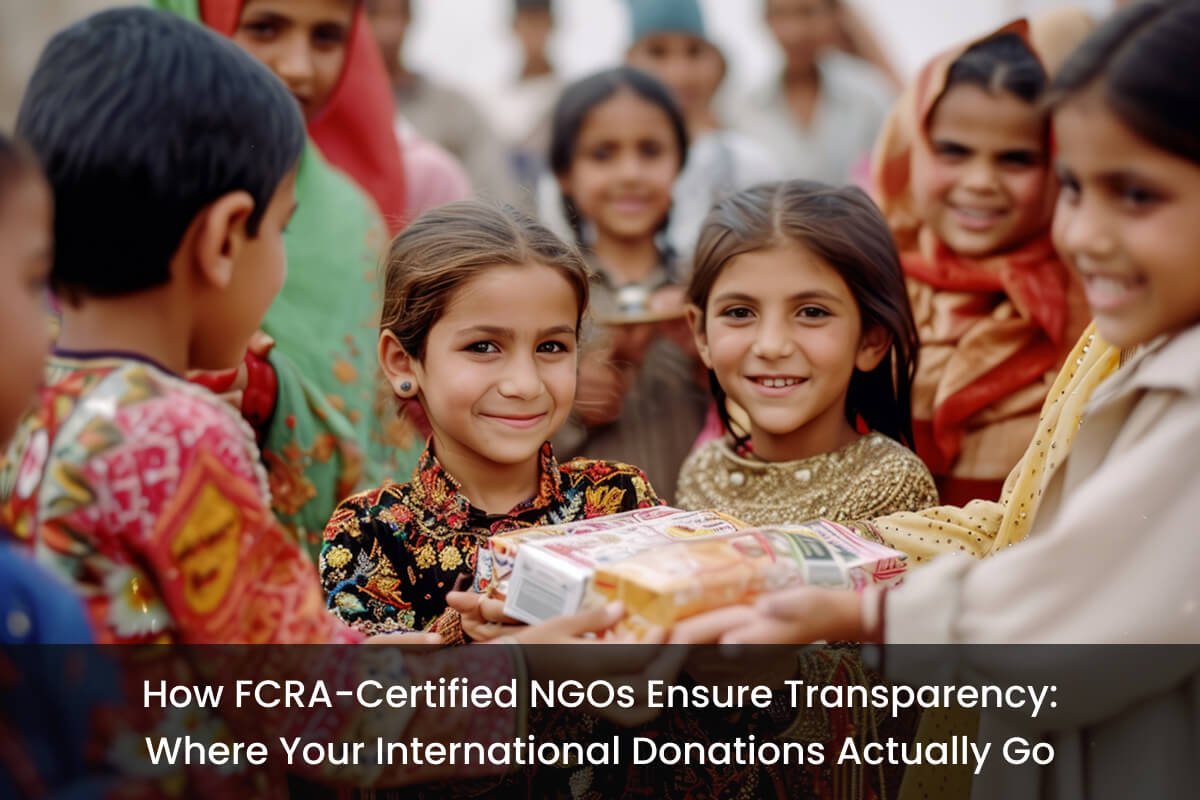
Why Transparency Matters in International Donations
When donations cross borders, visibility becomes more than a preference—it becomes a necessity. Donors are frequently far detached from on-ground movements, making it harder to evaluate by virtue of what money are governed and whether they doubtlessly reach engaged benefits.
Transparency helps close this break. It specifies clearness, builds assurance, and guarantees that generosity converts into determinable, mature operation alternatively changeableness.
Building Donor Trust
Transparency is the endowment of trust in worldwide bestowing. When arrangements honestly share by means of what money are taken and secondhand, donors feel more secure in their conclusions and are more inclined resume upholding the cause.
Ensuring Accountability
Clear newsgathering and announcement practices hold arrangements liable for their actions. Transparency guarantees that NGOs wait being the reason for by means of what they survive and assign earnings, strengthening ethical movements.
Avoiding Misuse of Funds
With decent transparence measures working, it enhances smooth to path fund flow and detect irregularities. This reduces the risk of abuse and guarantees that gifts are secondhand for their destined purposes.
Increasing Donor Confidence
When backers have approach to correct and timely facts, their assurance in the arrangement evolves. They can form conversant resolutions, experienced that their contributions are being controlled responsibly.
Driving Long-Term Support
Transparency helps continuous date. Donors the one trust an arrangement are more inclined provide repeatedly, support enduring actions, and even advocate for the cause inside their networks.
What Does FCRA Certification Mean for Transparency
For donors seeking clarity on how their contributions are managed, certification under established regulations offers a strong starting point. Transparency is not just about sharing information—it’s about having systems in place that require consistent, verifiable disclosure.
This is where the Foreign Contribution Regulation Act (FCRA) becomes highly relevant. It provides a structured transparency framework that governs how foreign funds are received, recorded, and utilized by NGOs in India, ensuring that donor contributions are handled with accountability.
Legal Framework for Transparency
FCRA establishes a legal structure that mandates openness in handling foreign contributions. It defines how funds must be received, recorded, and reported, creating a standardized system that promotes transparency across all certified organizations.
Mandatory Compliance Requirements
Organizations with FCRA certification must follow strict compliance rules, including maintaining detailed financial records and disclosing all foreign contributions. These requirements ensure that every transaction is documented and traceable.
Government Monitoring Systems
The Ministry of Home Affairs oversees FCRA compliance through monitoring systems that review filings, audit reports, and financial disclosures. This ongoing supervision ensures that organizations adhere to transparency norms and regulatory expectations.
Accountability Standards for NGOs
FCRA-certified NGOs are held to clearly defined accountability standards. They must justify how funds are used, align spending with declared objectives, and remain prepared for audits or inspections, reinforcing responsible fund management.
Why It Matters for Donors
For donors, FCRA certification provides reassurance that transparency is not optional—it is enforced. It ensures that contributions are tracked within a regulated system, giving donors better visibility into how their funds are utilized and the impact they create.
How FCRA Regulations Ensure Fund Accountability
Accountability is at the heart of trustworthy international giving. Donors need assurance that their contributions are not only received but also managed responsibly, tracked accurately, and used for their intended purpose.
FCRA reinforces this accountability by embedding checks at every stage of the donation lifecycle—from approval and receipt to utilization and reporting. These safeguards create a system where organizations are continuously answerable for how they handle foreign contributions.
Registration and Approval Process
Before receiving foreign funds, NGOs must undergo a detailed registration or prior approval process. This includes verification of their objectives, governance structure, and track record, ensuring that only credible organizations are authorized to accept international donations.
Reporting Obligations
FCRA mandates regular reporting of all foreign contributions. Organizations must submit annual returns with audited financial statements, clearly outlining funds received, sources, and utilization. This creates a documented record that can be reviewed by authorities and stakeholders.
Fund Flow Tracking
Foreign contributions must be routed through designated bank accounts, allowing authorities to monitor every transaction. This structured tracking system ensures that funds can be traced from receipt to final use, reducing the chances of diversion or irregularities.
Restrictions on Fund Usage
FCRA imposes strict guidelines on how funds can be used. Organizations must adhere to their declared objectives and cannot freely redirect contributions. Limits on administrative expenses further ensure that funds are primarily used for program activities.
Legal Consequences for Non-Compliance
Non-compliance with FCRA regulations can lead to serious consequences, including penalties, suspension, or cancellation of registration. These legal provisions act as a strong deterrent, encouraging organizations to maintain high standards of accountability and compliance.
Where Your Donation Actually Goes: A Breakdown
Understanding how your donation is allocated is key to building confidence in the giving process. While many donors focus on the cause itself, knowing the breakdown of fund usage provides clarity on how contributions translate into real-world impact.
FCRA-compliant organizations are required to categorize and report their expenses clearly, offering donors a transparent view of where their money actually goes. This structured allocation ensures that funds are used efficiently and aligned with the organization’s mission.
Program Implementation Costs
A significant portion of donations is directed toward program activities—these are the core initiatives that directly benefit communities. This includes costs related to healthcare services, education delivery, skill development programs, and other on-ground interventions.
Educational and Social Initiatives
Funds are often used to support long-term development projects such as education, women’s empowerment, child welfare, and community development. These initiatives focus on sustainable impact and improving quality of life over time.
Administrative Expenses
A smaller portion of donations is allocated to administrative costs, including staff salaries, office operations, and compliance management. Under FCRA, there are limits on these expenses to ensure that most funds go toward program activities.
Infrastructure and Resources
Donations may also support infrastructure needs such as building facilities, procuring equipment, and providing essential materials. These resources are crucial for effectively implementing programs and reaching beneficiaries.
Emergency and Support Funds
Some funds are reserved for emergency response efforts, such as disaster relief or urgent community needs. These allocations allow organizations to act quickly in times of crisis while maintaining ongoing programs.
Suggested Breakdown of Donation Usage
| Donation Component | Usage |
|---|---|
| Program costs | Direct beneficiary support |
| Admin costs | Operational management |
| Resources | Materials, infrastructure |
| Monitoring | Tracking and reporting |
This breakdown highlights how donations are distributed across different areas, ensuring a balance between immediate impact, operational efficiency, and long-term sustainability.
Financial Reporting and Disclosure Requirements
For donors who value clarity, financial reporting is one of the most important indicators of an organization’s credibility. It provides concrete evidence of how funds are received, managed, and utilized—turning abstract trust into verifiable data.
Under FCRA, financial transparency is not optional. Certified organizations must follow strict reporting and disclosure requirements, ensuring that every contribution is documented and open to scrutiny.
Annual Financial Statements
FCRA-certified NGOs are required to prepare audited annual financial statements. These documents include detailed records of income, expenditures, and fund utilization, offering a clear snapshot of the organization’s financial health and activities.
Government Filing Requirements
Organizations must file annual returns with the Ministry of Home Affairs, disclosing all foreign contributions received during the year. These filings include donor details, amounts received, and how funds were used, ensuring compliance with regulatory standards.
Public Disclosure Practices
Many NGOs go beyond mandatory requirements by publishing financial reports, audit summaries, and impact updates on their websites. This proactive transparency allows donors and the public to easily access important information.
Transparency in Fund Allocation
FCRA requires organizations to clearly categorize and report how funds are allocated across different programs and expenses. This structured approach ensures that donors can see exactly how their contributions are distributed.
Donor Reporting
In addition to regulatory filings, many organizations provide direct updates to donors. These may include progress reports, financial summaries, and impact assessments—helping donors stay informed and engaged with the outcomes of their contributions.
Monitoring and Tracking of Funds
For donors, visibility doesn’t stop at knowing where funds are allocated—it extends to how those funds are tracked over time. Effective monitoring systems ensure that contributions are not only used correctly but are continuously evaluated for efficiency and impact.
FCRA strengthens this process by requiring structured tracking and oversight at multiple levels. From internal systems to stakeholder reporting, every stage of fund movement is designed to be transparent, traceable, and accountable.
Internal Monitoring Systems
FCRA-certified organizations implement internal controls to supervise how funds are received and spent. These systems include financial checks, approval processes, and documentation protocols that ensure every transaction follows compliance guidelines.
Real-Time Fund Tracking
With designated bank accounts and digital financial systems, organizations can track fund flow in real time. This enables accurate recording of incoming donations and outgoing expenses, reducing delays and improving financial transparency.
Program-Level Tracking
Beyond overall fund management, organizations monitor how resources are used within specific programs. This helps ensure that each initiative receives the appropriate funding and that expenditures align with planned activities.
Outcome Measurement
Tracking doesn’t end with spending—it extends to measuring results. Organizations assess the effectiveness of their programs by evaluating outcomes against predefined goals, helping donors understand the real impact of their contributions.
Reporting to Stakeholders
Regular updates are shared with stakeholders, including donors, regulators, and internal teams. These reports provide insights into fund utilization, program progress, and achieved outcomes, reinforcing trust through consistent and transparent communication.
Role of Audits in Ensuring Transparency
For donors seeking reassurance, audits serve as one of the most reliable checks on how funds are managed. They go beyond routine reporting by independently verifying whether financial practices align with declared objectives and regulatory requirements.
Within the FCRA framework, audits are a critical layer of oversight. They help ensure that transparency is not just promised but actively validated through systematic review and verification.
Internal Audits
Internal audits are conducted within the organization to regularly review financial processes, controls, and fund utilization. These audits help identify gaps early, ensure adherence to policies, and maintain continuous oversight of how donations are managed.
External Audits
External audits are performed by independent, qualified auditors who assess the organization’s financial records and compliance status. This third-party evaluation adds credibility, offering donors an unbiased view of how funds are handled.
Compliance Verification
Audits play a key role in confirming whether the organization is following FCRA regulations. They verify that funds are received through authorized channels, used for approved purposes, and reported accurately to authorities.
Financial Accuracy
Through detailed examination of accounts, audits ensure that all financial data is accurate and consistent. This includes validating income, expenses, and fund balances, reducing the risk of discrepancies or misreporting.
Accountability Mechanisms
Audits reinforce accountability by holding organizations responsible for their financial practices. Any irregularities identified must be addressed, creating a system where transparency is enforced and continuously improved—strengthening donor trust over time.
How NGOs Communicate Impact to Donors
For donors, understanding impact is just as important as ensuring compliance. Beyond financial transparency, meaningful communication helps bridge the gap between contributions and real-world outcomes, making the giving experience more engaging and trustworthy.
FCRA-compliant NGOs often prioritize structured communication to keep donors informed. By sharing consistent updates and measurable results, they demonstrate how funds translate into tangible change on the ground.
Impact Reports
NGOs publish detailed impact reports that outline how funds have been utilized and what outcomes have been achieved. These reports often include data, metrics, and summaries of key initiatives, giving donors a comprehensive view of progress.
Progress Updates
Regular updates—monthly, quarterly, or project-based—help donors stay informed about ongoing activities. These updates provide insights into milestones achieved, challenges faced, and next steps in program implementation.
Case Studies and Stories
Real-life stories and case studies bring impact to life. By highlighting individual or community transformations, NGOs offer a human perspective on how donations are making a difference beyond numbers and statistics.
Donor Communication Channels
Organizations use multiple channels such as emails, newsletters, dashboards, and webinars to communicate with donors. These platforms ensure timely and accessible information sharing, keeping donors engaged and connected.
Transparency in Results
Clear and honest reporting of both successes and challenges builds credibility. When NGOs openly share outcomes—including areas for improvement—it reinforces trust and shows a genuine commitment to accountability and continuous progress.
Technology and Real-Time Donation Tracking
As international giving evolves, technology has become a key enabler of transparency and trust. Donors today expect more than periodic reports—they want real-time visibility into how their contributions are being used and the impact they are creating.
Digital tools and platforms have stepped in to meet this expectation. By integrating technology with compliance frameworks like FCRA, NGOs can offer a more transparent, responsive, and engaging donation experience.
Digital Platforms for Donations
Online donation platforms simplify the giving process by connecting donors with verified NGOs. Platforms like SocialForAction ensure that transactions are secure, compliant, and routed through proper channels, reducing the complexity of cross-border donations.
Real-Time Tracking Tools
Modern financial systems enable real-time tracking of donations, allowing organizations to monitor fund inflows and expenditures instantly. This reduces delays in reporting and provides up-to-date insights into how funds are being utilized.
Data Transparency
Technology enables detailed data collection and sharing, making it easier for NGOs to provide transparent records of fund usage. Donors can access structured data that clearly shows allocation, spending patterns, and progress.
Dashboard Reporting
Many organizations now offer digital dashboards where donors can view live updates on projects, financial summaries, and impact metrics. These dashboards present complex data in an easy-to-understand format, enhancing visibility and engagement.
Improved Donor Experience
By combining ease of use, transparency, and real-time insights, technology significantly improves the donor experience. Contributors can give confidently, track their impact, and stay connected with the causes they support—creating a more informed and satisfying giving journey.
Role of Platforms Like SocialForAction in Transparency
For many donors, the challenge isn’t just understanding regulations—it’s finding a reliable way to apply that knowledge when choosing where to give. Even with awareness of compliance requirements, identifying trustworthy organizations can still feel uncertain.
This is where curated donation platforms step in. By combining verification, compliance checks, and transparent systems, they simplify the process and help donors make confident, informed decisions.
Curating Verified NGOs
SocialForAction carefully curates NGOs based on credibility, track record, and regulatory compliance. This reduces the burden on donors to independently vet organizations and ensures access to reliable options.
Ensuring FCRA Compliance
The platform prioritizes NGOs that meet FCRA requirements, helping ensure that all listed organizations are legally authorized to receive foreign contributions. This minimizes risks associated with non-compliant entities.
Providing Transparent Donation Channels
With secure and structured payment systems, SocialForAction enables clear, traceable transactions. Donors can contribute knowing their funds are routed through proper, compliant channels.
Enabling Impact Tracking
The platform supports transparency by offering updates, reports, and insights into how donations are utilized. This allows donors to monitor progress and understand the real-world outcomes of their contributions.
Building Donor Trust
By integrating verification, compliance, and communication, SocialForAction creates a trustworthy giving environment. It bridges the gap between donor intent and impact, reinforcing confidence in every contribution.
Common Myths About Donation Transparency
Despite growing awareness around accountability, several misconceptions still surround donation transparency—especially in the context of international giving. These myths can discourage donors or create unnecessary skepticism about how contributions are managed.
In reality, frameworks like FCRA and evolving nonprofit practices have significantly improved transparency standards. Separating fact from fiction helps donors make more confident and informed decisions.
“Donations Are Not Trackable”
In regulated environments like FCRA, donations are highly trackable. Funds must be routed through designated bank accounts and recorded systematically, allowing organizations and authorities to trace transactions from receipt to utilization.
“NGOs Do Not Share Financial Data”
FCRA-certified NGOs are required to maintain and submit detailed financial records. Many also go a step further by publishing reports and disclosures publicly, making financial data accessible to donors and stakeholders.
“Small Donations Are Not Reported”
All foreign contributions—regardless of size—must be recorded and reported under FCRA. There is no exemption for smaller donations, ensuring that every contribution is accounted for within the compliance framework.
“Transparency Is Optional”
Transparency is not a choice for FCRA-compliant organizations—it is a legal requirement. Mandatory reporting, audits, and disclosures ensure that NGOs consistently maintain openness in their financial and operational practices.
“Impact Cannot Be Measured”
Modern NGOs use structured monitoring and evaluation systems to measure impact. Through data tracking, reporting tools, and case studies, organizations can demonstrate how donations translate into tangible outcomes, making impact both visible and measurable.
Risks of Donating to Non-FCRA Organizations
While generosity drives international giving, overlooking compliance can introduce avoidable risks. Donors who contribute without verifying an organization’s legal status may face uncertainty around how their funds are handled and whether they reach the intended beneficiaries.
Understanding the implications of donating to non-compliant entities is essential. It helps donors protect their contributions and ensures that their support leads to meaningful, accountable outcomes.
Lack of Legal Compliance
Organizations without FCRA authorization are not legally permitted to receive foreign contributions. Donating to such entities can result in funds being blocked, rejected, or flagged by authorities, creating legal complications for both donors and recipients.
Limited Transparency
Non-FCRA organizations are not bound by strict reporting and disclosure requirements. This lack of structured transparency makes it difficult for donors to track how their contributions are used.
Higher Risk of Misuse
Without regulatory oversight, there is an increased risk of funds being misallocated or diverted. The absence of compliance checks reduces safeguards against financial mismanagement.
No Accountability
FCRA-certified NGOs are subject to audits and government monitoring. In contrast, non-compliant organizations may not face the same level of scrutiny, limiting their accountability for how funds are managed.
Unverified Impact
Donors may struggle to assess the effectiveness of their contributions when supporting non-FCRA entities. Without formal reporting systems or measurable outcomes, it becomes challenging to verify whether the donation has created real impact.
How Donors Can Verify Transparency
For donors, transparency isn’t just something to expect—it’s something that can be actively verified. Taking a few simple steps before donating can significantly reduce risk and ensure that contributions are directed toward credible, accountable organizations.
With the right approach, verifying transparency becomes straightforward. It empowers donors to make informed decisions and reinforces confidence in the impact of their giving.
Checking FCRA Registration
Start by confirming whether the NGO is registered under the Foreign Contribution Regulation Act (FCRA). This can be done through official government databases, where you can verify the organization’s registration status, validity, and compliance history.
Reviewing Financial Reports
Look for audited financial statements, annual reports, and fund utilization summaries. Transparent NGOs make these documents accessible, providing clear insights into how funds are received and spent.
Verifying NGO Credentials
Assess the organization’s credibility by reviewing its mission, leadership, past work, and track record. Consistency in information across official documents, websites, and reports is a good indicator of reliability.
Using Trusted Platforms
Platforms like SocialForAction simplify the verification process by listing vetted, compliant NGOs. These platforms often conduct due diligence, making it easier for donors to identify trustworthy organizations.
Identifying Red Flags
Be cautious of NGOs that lack clear documentation, avoid sharing financial details, or request donations through informal channels. Inconsistent information, absence of audit reports, or vague impact claims are warning signs that should not be ignored.
FAQs About Donation Transparency in FCRA NGOs
Even with improved systems and regulations, donors often have practical questions about how transparency works in real scenarios. These questions typically focus on tracking funds, accessing information, and ensuring that contributions are used responsibly.
Addressing these FAQs helps demystify the process and gives donors the confidence to engage in international giving with clarity and trust.
Q1. How do FCRA NGOs ensure transparency?
FCRA NGOs ensure transparency through mandatory compliance measures such as maintaining detailed financial records, using designated bank accounts, and submitting annual returns with audited statements. These processes create a clear, traceable record of all foreign contributions and how they are utilized.
Q2. Can I track how my donation is used?
Yes, in many cases you can track how your donation is used. FCRA-compliant NGOs often provide reports, updates, and sometimes digital dashboards that show fund allocation and project progress, giving donors visibility into how their contributions are making an impact.
Q3. Are NGOs required to share financial reports?
Yes, FCRA-certified NGOs are required to prepare and submit financial reports to government authorities. Many organizations also share these reports publicly or directly with donors, ensuring transparency and allowing contributors to review how funds are managed.
Q4. What is the role of audits in NGOs?
Audits play a crucial role in verifying financial accuracy and compliance. Internal and external audits review fund usage, detect discrepancies, and ensure adherence to FCRA regulations, providing donors with an added layer of assurance about financial integrity.
Q5. How can I verify if my donation is used properly?
You can verify proper usage by reviewing the NGO’s financial reports, checking FCRA registration status, and monitoring updates or impact reports. Donating through trusted platforms like SocialForAction can also provide additional transparency and verification.
Key Takeaways
Clarity and trust are essential when it comes to international giving. By understanding how transparency frameworks operate, donors can move beyond uncertainty and make contributions that are both informed and impactful.
FCRA plays a central role in shaping this environment, ensuring that donations are handled with responsibility, oversight, and measurable accountability.
- FCRA ensures transparency and accountability
It establishes clear rules for how foreign contributions are received, recorded, and utilized, creating a system built on openness and compliance. - Donations are tracked and monitored
Through designated accounts and structured reporting, every contribution can be traced from receipt to final use, reducing the risk of misuse. - Reporting and audits build trust
नियमित financial disclosures and independent audits validate how funds are managed, reinforcing donor confidence in the organization. - Verified platforms enhance donor confidence
Platforms like SocialForAction simplify the process by connecting donors with compliant, transparent NGOs.
Give with Confidence: Support Transparent and Verified NGOs
Making a meaningful impact starts with choosing the right organizations. When donors prioritize transparency and compliance, they not only protect their contributions but also strengthen the overall ecosystem of responsible giving.
By supporting verified, FCRA-compliant NGOs—either directly or through trusted platforms like SocialForAction—you can give with confidence, knowing your donation is secure, accountable, and driving real change where it matters most.





Post a Comment